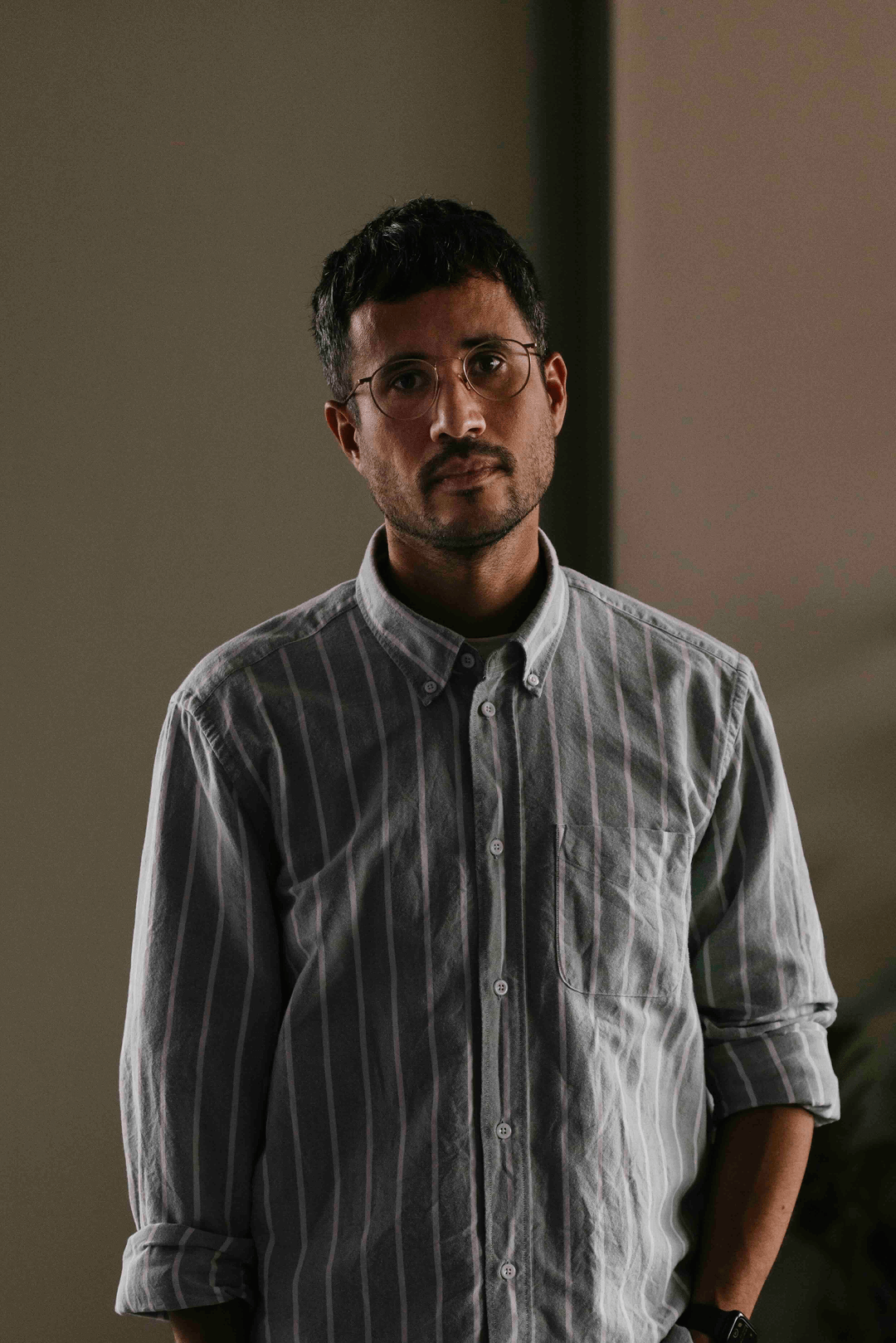
For nearly two decades, Michael Danker, Co-founder and Digital Director at Verve, has worked at the intersection of brand, design and technology. He believes digital is where strategy becomes tangible. Outside the studio, Michael finds rhythm in cycling and balance in perfumery. He collects, experiments, and occasionally disappears down a rabbit hole of aroma chemicals that have nothing to do with client work and everything to do with how he thinks.

What developments in digital are you most excited about right now?
Digital design is evolving toward living systems, experiences that respond and adapt over time.
Motion helps people understand how a system works. When motion, structure and interaction are designed in sync, the whole experience becomes more intuitive and more human.
On the tools side, we integrate Claude Code and develop internal tooling where it makes sense. That speeds up exploration and execution enormously. We also incorporate GEO principles for LLM search, already thinking about how platforms need to perform in an agentic future.
Digital products increasingly communicate with AI systems, not only with people. That changes what good digital architecture looks like, and we are designing for that now.
Different tools serve different ambitions. The goal is always the same: speed, quality and clarity.
Across strategy, motion, interaction and code, where is the real crux for you personally?
Clarity is the crux. Not as a deliverable, but as an operating principle.
Clarity has to be tangible, something people can act on the next morning. Technology evolves, trends shift, tools change. What stays constant is the need for a sharp concept and disciplined execution.
Where does the difference between good and great live in digital design?
Personally, I am obsessive about the last 20 percent of a project. That is where things either come together or quietly fall apart. Motion curves, load speed, micro-interactions. There have been moments where we spent hours adjusting the timing of a single transition. From the outside that may seem excessive. But if it feels off by a few milliseconds, people notice, even if they cannot explain why.
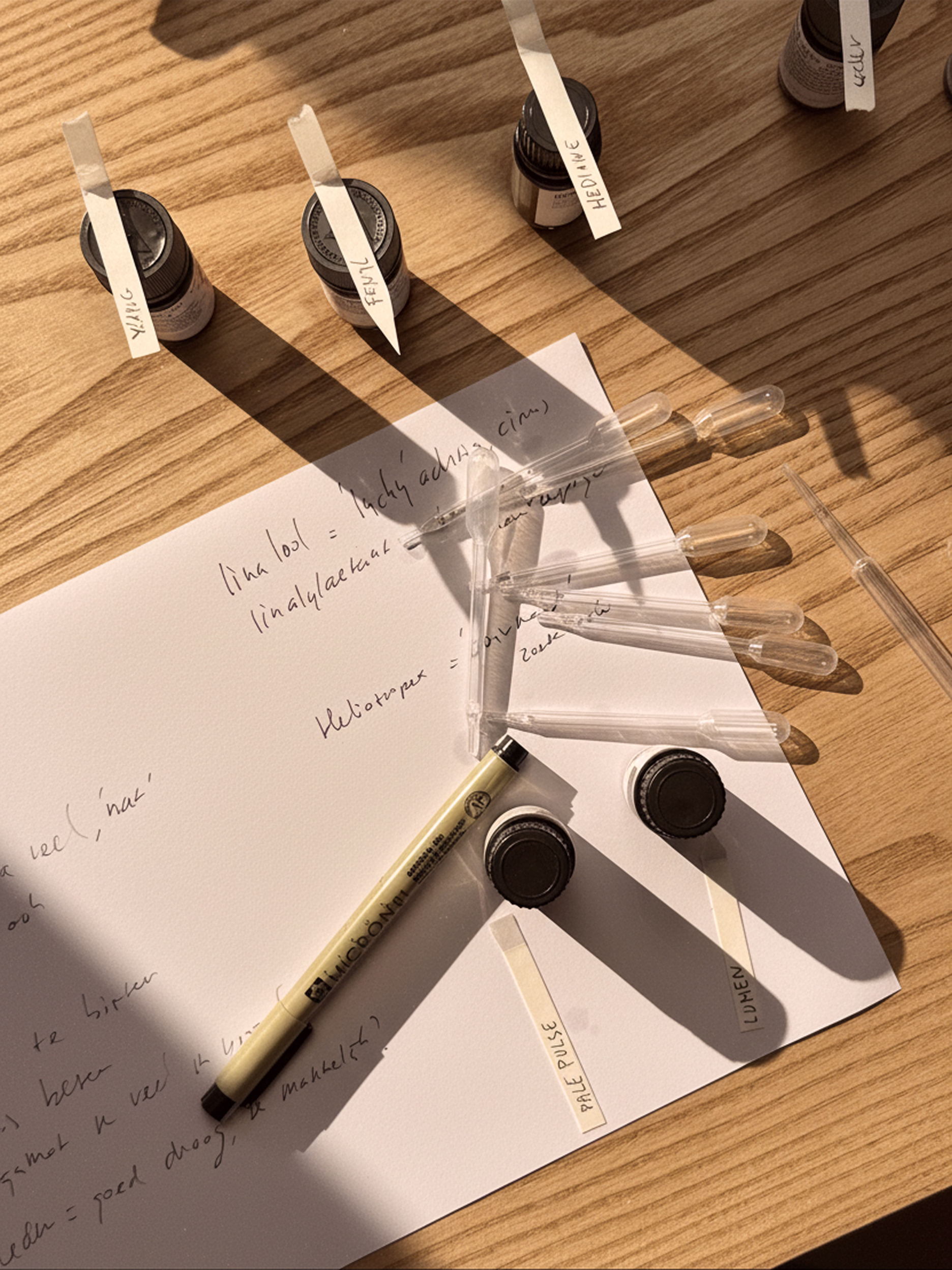
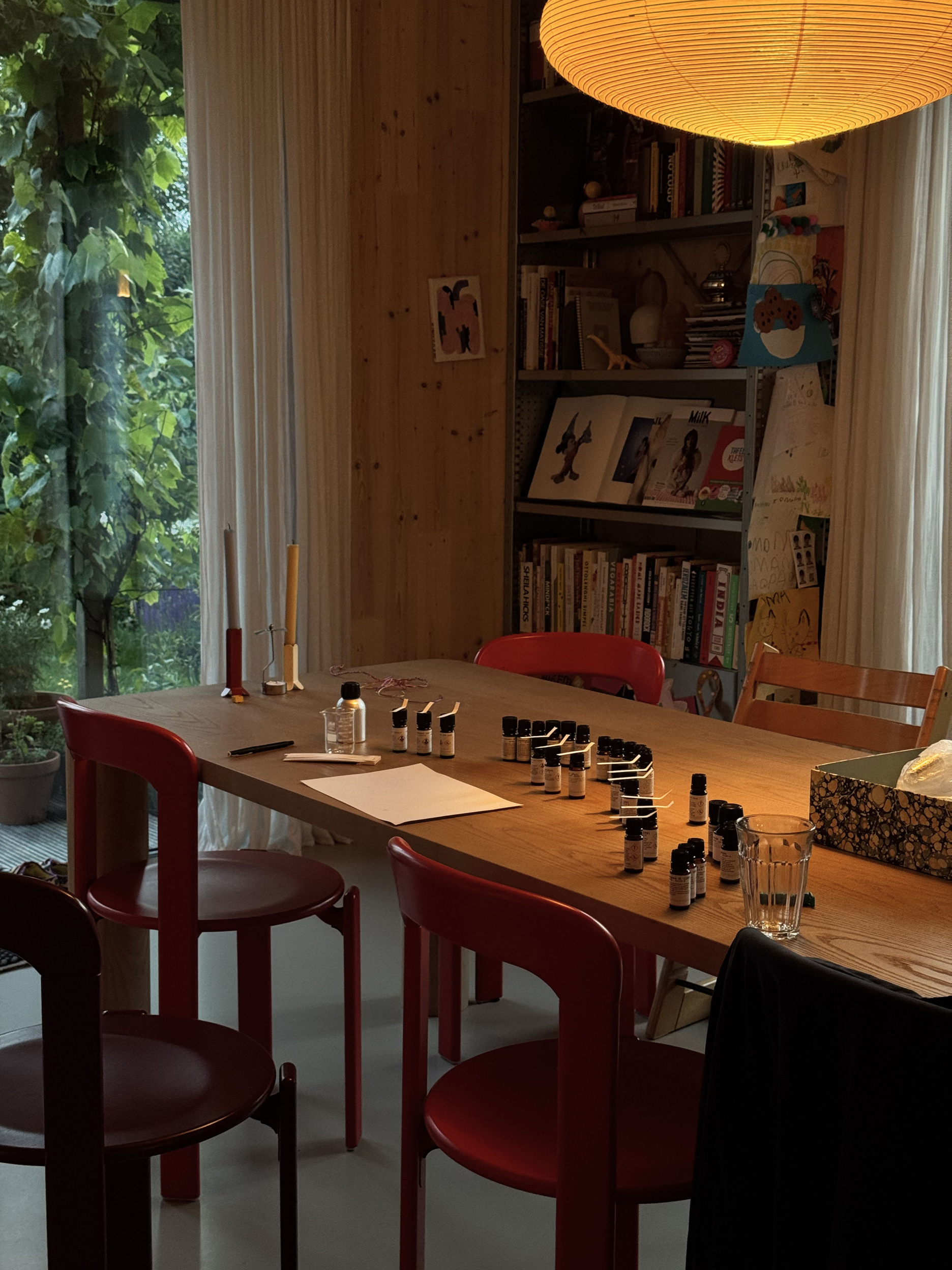
I experience the same thing when making my own scents. A single material at the wrong concentration and the whole composition shifts. Nobody can point to what changed. But something feels off. Getting that right is not perfectionism. It is just finishing the work properly.
Great digital design feels inevitable. In the way that a great fragrance stays with you. Not on your skin, but in your mind. You catch a trace hours later, and it pulls you back. That is the real test: not how it opens, but what it leaves behind. Good digital work is no different. The point where every small decision aligns. That is what we aim for at Verve.
“Some people call me the nose. I think they mean it as a joke. But if you spend your evenings weighing aroma chemicals and your days adjusting motion curves, the overlap starts to feel less like a coincidence.”


AI is accelerating everything. What does that mean for brand quality?
The noise is getting louder. Content multiplies, systems grow more sophisticated, and production cycles compress. But the real question has not changed: did the brand actually improve?
AI can make activity look like progress. Output grows fast. Clarity still determines quality. If you do not have a clear brand core, AI will scale the noise. That is where brands start diluting themselves.
What separates brands that scale from brands that dilute?
The agencies and brands that will win are the ones that combine technological intelligence with emotional intelligence. At Verve, AI accelerates exploration and iteration. It helps develop concepts faster and prototype ideas earlier. But strategic direction and taste stay human. Always.
It is the same shift happening in perfumery. The houses that attract serious attention built it the same way: a clear point of view, no shortcuts on craft, no chasing volume. Maison Francis Kurkdjian and Le Labo grew into acquisition targets because of that discipline, not despite it. Lyn Harris of Perfumer H had already proven she could scale with Miller Harris. She chose to start over, on her own terms, without wholesale, without department stores. That is also a direction worth moving in.

When does digital actually become infrastructure?
As companies scale, digital complexity compounds quickly. More platforms, more products, more touchpoints, and suddenly consistency becomes the hardest thing to maintain. At that point, digital shifts from a channel to infrastructure.
You move from designing pages to designing systems.
That shift is exactly where Verve operates. Strategy, interaction, motion and frontend craftsmanship are brought together around a single narrative. One brand expressed consistently across every touchpoint. From micro-interactions to motion principles, the details are not decorative. They build credibility and equity.
The real difference lies in how everything connects.
"The bar for being average has dropped dramatically. The bar for being distinctive has risen just as fast."
What breaks when brand and digital are treated as separate workstreams?
Digital is never a separate workstream at Verve. Today, every brand lives through digital experiences, so brand and digital function as one system. Brand equals digital.
Small, senior teams bring strategy, design and development together from day one. The concept and the execution evolve at the same time.
When the people shaping the idea also build it, the outcome becomes sharper.
It sounds simple but it is rare.
What does being part of United Playgrounds unlock for clients?
Scale without dilution.
United Playgrounds connects complementary expertise across strategy, brand, performance and production, making it possible to bring serious depth to larger, more complex, often international projects. We can combine a huge amount of expertise around one challenge.
Within that ecosystem, Verve's focus stays deliberate: digital design and building strong digital brand experiences. That is where our strength lies.